A volcanic landscape
Nicaragua has nine active volcanoes in a diagonal line, and volcanic soil is prized for growing tobacco.
Source: Cigar Aficionado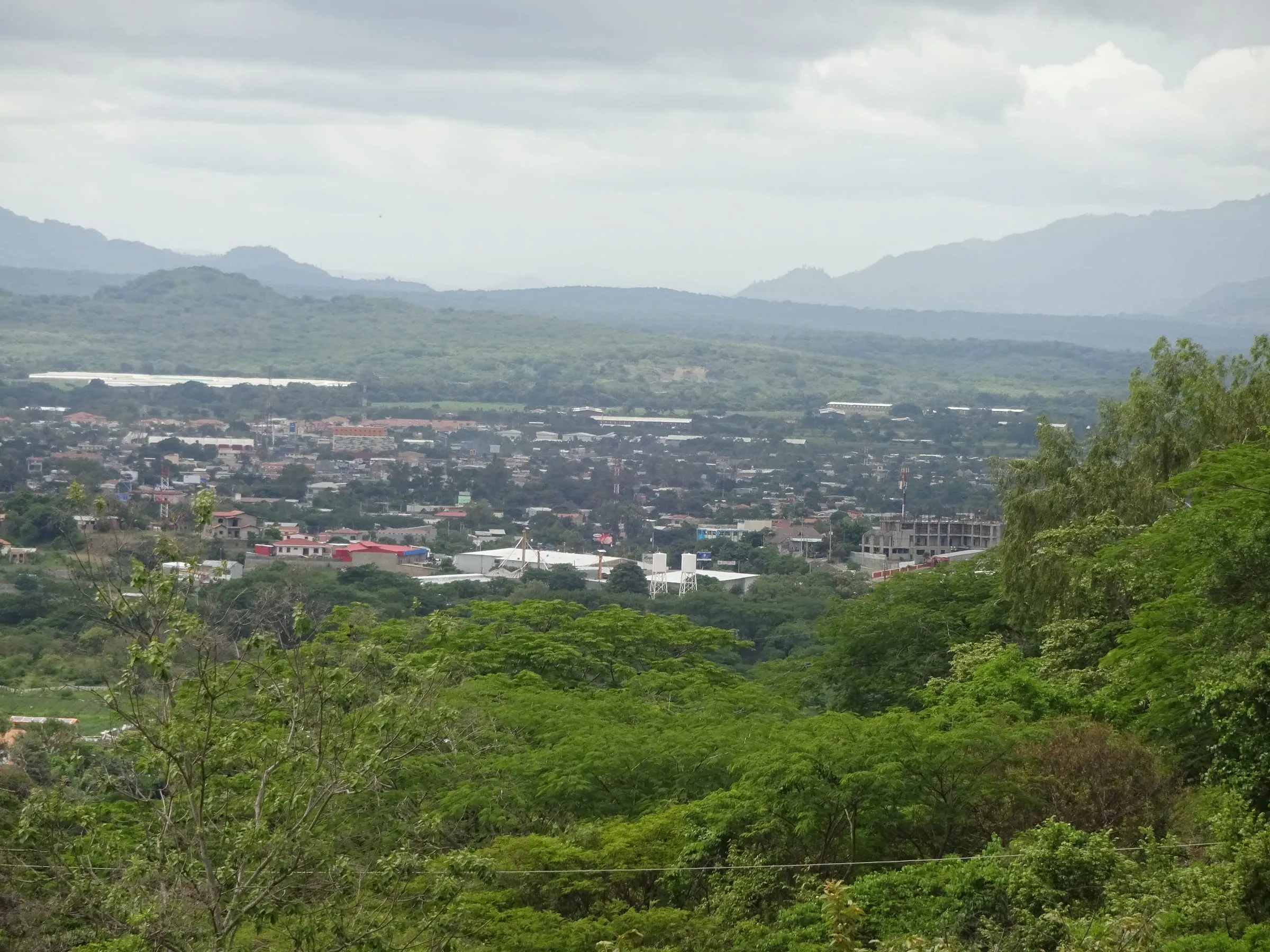
In sixty years, a quiet valley in northern Nicaragua went from refuge to the place that rolls the world's most decorated cigars.
When the Cuban Revolution sent tobacco families into exile, they took two things with them: seed and know-how. What they needed was soil and a climate that felt like home. They found both in the mountain valleys around Estelí. What followed was a story of fire and war, embargo and exile, return and reinvention, and finally a run of awards no other country has matched: 11 of the 22 Cigar Aficionado Cigars of the Year since 2004.
After the Cuban Revolution, tobacco families left the island carrying seed and know-how, and the 1962 US embargo on Cuba made the hunt for a new homeland urgent. Nicaragua's northern highlands stood out. By 1965 the Plasencias were planting Cuban seed in Jalapa, and a young premium industry was taking root.
Read more: Wikipedia · Plasencia Cigars · Tobacco Asia
Two Cuban exiles, Simon Camacho and Juan Francisco Bermejo, founded the company that became Joya de Nicaragua in Estelí, using leaf from Estelí, Condega and Jalapa. It is widely described as the country's first premium cigar brand and set the template for everything that followed.
Read more: Joya de Nicaragua · Wikipedia · Cigar Journal
José Orlando Padrón opened his Miami cigar business in 1964, began using Nicaraguan Jalapa leaf in 1967, and in 1970 set up in Estelí to find experienced rollers. The family would become the most decorated name in Nicaraguan cigars.
Read more: Cigar Aficionado · Wikipedia · Cigar Aficionado
In 1978 mobs burned Padrón's Estelí factory and warehouse as the uprising against Somoza spread. After the Sandinista victory in 1979, farms and factories of the tobacco region were nationalised. Makers began relocating: the Plasencias moved operations to Honduras in 1978 and Padrón began producing in Danli in 1979.
Read more: Cigar Aficionado · Tobacco Asia · Plasencia Cigars
After President Reagan's embargo on Nicaraguan goods, Padrón moved production to Honduras and scrambled to get stock to Tampa. Joya de Nicaragua likewise opened a Honduran factory to keep serving the US. Nicaraguan premium cigars largely vanished from the American market for five years.
Read more: Cigar Aficionado · Tobacco Asia · Wikipedia
With the Sandinistas out of power and the embargo lifted, Padrón returned to Estelí and the Plasencias came back to Nicaragua. Workers rebuilt the Joya factory, and the stage was set for a comeback.
Read more: Cigar Aficionado · Plasencia Cigars · Tobacco Asia
Dr. Alejandro Martínez Cuenca, chosen by the factory's workers, bought the company in 1994 and renamed it Tabacos Puros de Nicaragua. The mid-1990s US cigar boom brought strong demand that helped it rebuild, and it later regained the Joya de Nicaragua name rights. Padrón marked its 30th anniversary the same year with the 1964 Anniversary Series.
Read more: Cigar Journal · Joya de Nicaragua · Wikipedia
Eduardo Fernández arrived in 1997 and founded Aganorsa, buying land mostly in Jalapa and hiring Cuban agronomists and tobacco specialists. Today the company plants about 1,200 acres a year, all from Cuban seed, and says it is Nicaragua's largest grower.
Read more: Cigar Aficionado
Jonathan Drew, who formed Drew Estate in New York in 1996, moved to Estelí in 1998 after Hurricane Mitch halted production of his first brand. In 2007 the company consolidated into La Gran Fabrica, billed as Nicaragua's largest handmade cigar factory, and launched Liga Privada No. 9.
Read more: Cigar Aficionado
Pepín García, a veteran Cuban roller, left Cuba in 2002, and with his son Jaime launched Tatuaje and contract production in Miami in 2003. Demand pushed them to Estelí, where by 2010 the factory made about 35,000 cigars a day and the family was growing its own tobacco. The My Father name followed.
Read more: Cigar Aficionado
The Padrón Serie 1926 40th Anniversary was named Cigar Aficionado’s Cigar of the Year for 2004 with 93 points, the first year of the magazine’s Cigar of the Year list. It was the start of a run: Nicaraguan cigars would take 11 of the next 22 titles.
Read more: Cigar Aficionado · Cigar Aficionado
Through the 2010s the Nicaraguan Tobacco Chamber's annual Puro Sabor festival celebrates Nicaraguan leaf and cigars with events across Managua, Granada, Rivas and Estelí. It was in its seventh year in 2018, which points to a first edition around 2012.
Read more: Cigar Aficionado
Oliva Cigar Co., founded in 1995 by Gilberto Oliva Sr. and Jr., first made cigars in Néstor Plasencia's factory before opening its own. Its Serie V Melanio Figurado took the 2014 title, one of a run of Nicaraguan winners that also includes Flor de Las Antillas in 2012 and My Father Le Bijou 1922 in 2015.
Read more: Cigar Aficionado · Cigar Aficionado
In 2016 Nicaragua shipped about 134.4 million premium cigars to the US, overtaking the Dominican Republic's 115.6 million, roughly 42% of imports. It repeated in 2017 with 148.3 million, about 45%.
Read more: Cigar Aficionado
Swiss maker Villiger formally opened its Estelí factory at Puro Sabor 2023, a venture with Joya de Nicaragua as operating partner. It had been producing for over a year and now makes several Villiger brands plus the new Villiger 1888 Nicaragua.
Read more: Cigar Coop
Cigar Aficionado named the Padrón 60th Anniversary Perfecto its 2025 Cigar of the Year, rated 97 and made in Nicaragua. In 2025 Nicaragua shipped 258.4 million premium cigars to the US, about 60% of the 429.8 million total, ahead of the Dominican Republic (93.7 million) and Honduras (74.5 million).
Read more: Padron Cigars · Cigar Aficionado · Cigar Aficionado
Nicaragua has nine active volcanoes in a diagonal line, and volcanic soil is prized for growing tobacco.
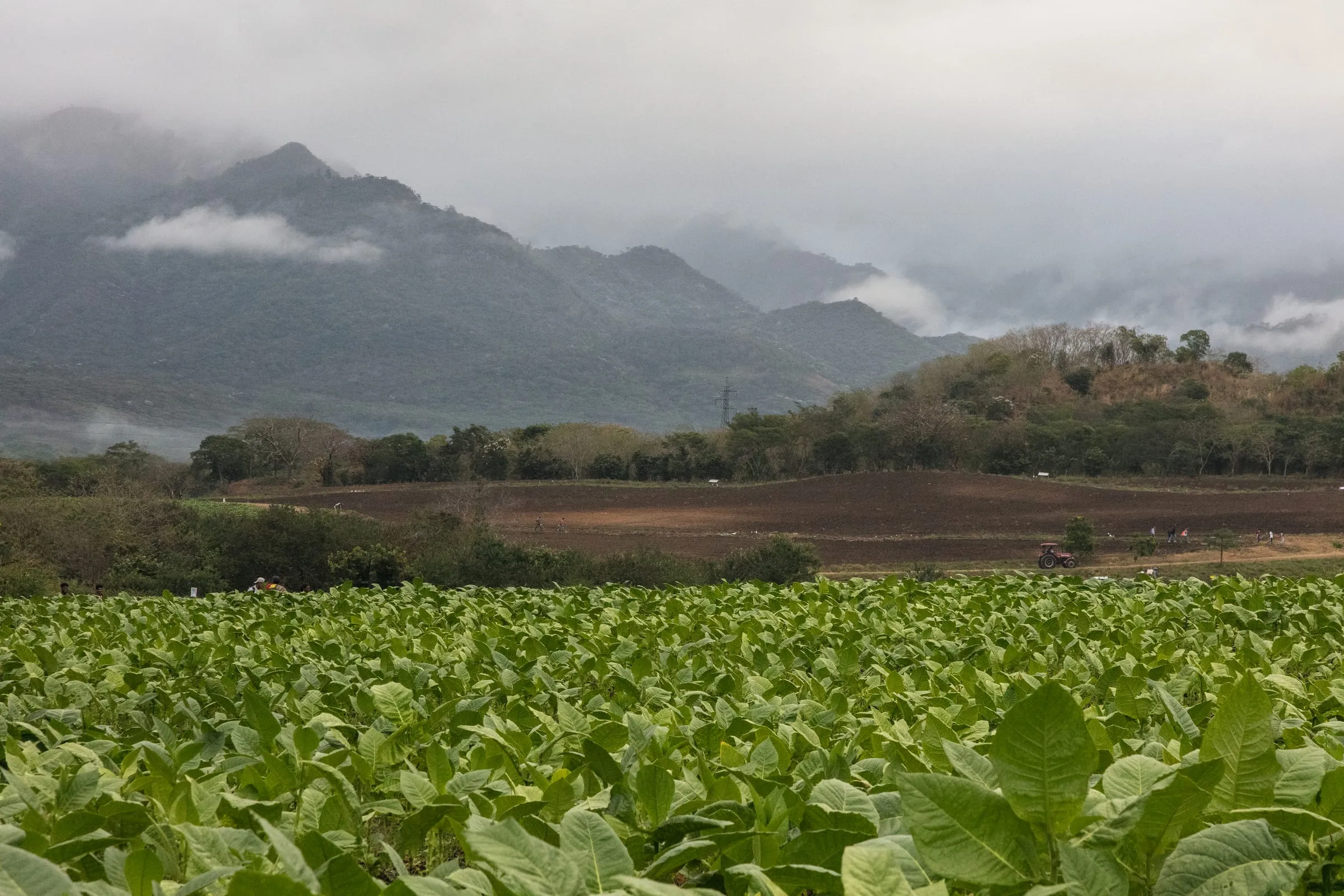
Source: Cigar AficionadoEstelí's dark soil yields strong tobaccos that power many of the country's blends, and it is the main centre of cigar making.
Source: Cigar AficionadoNear the Honduran border, Jalapa's red clay produces smooth wrapper leaf and is compared to Cuba's Vuelta Abajo.
Source: Cigar AficionadoNorth of Estelí, Condega's rocky soil gives a middle-range flavour. Leaf texture differs from Estelí, partly attributed to altitude.
Source: Cigar AficionadoOn Ometepe, in Lake Nicaragua, soil rich enough to need few fertilisers and lake humidity shape tobacco with sweet, cocoa-like aromas. Plasencia has grown there since planting a test acre in 1994.
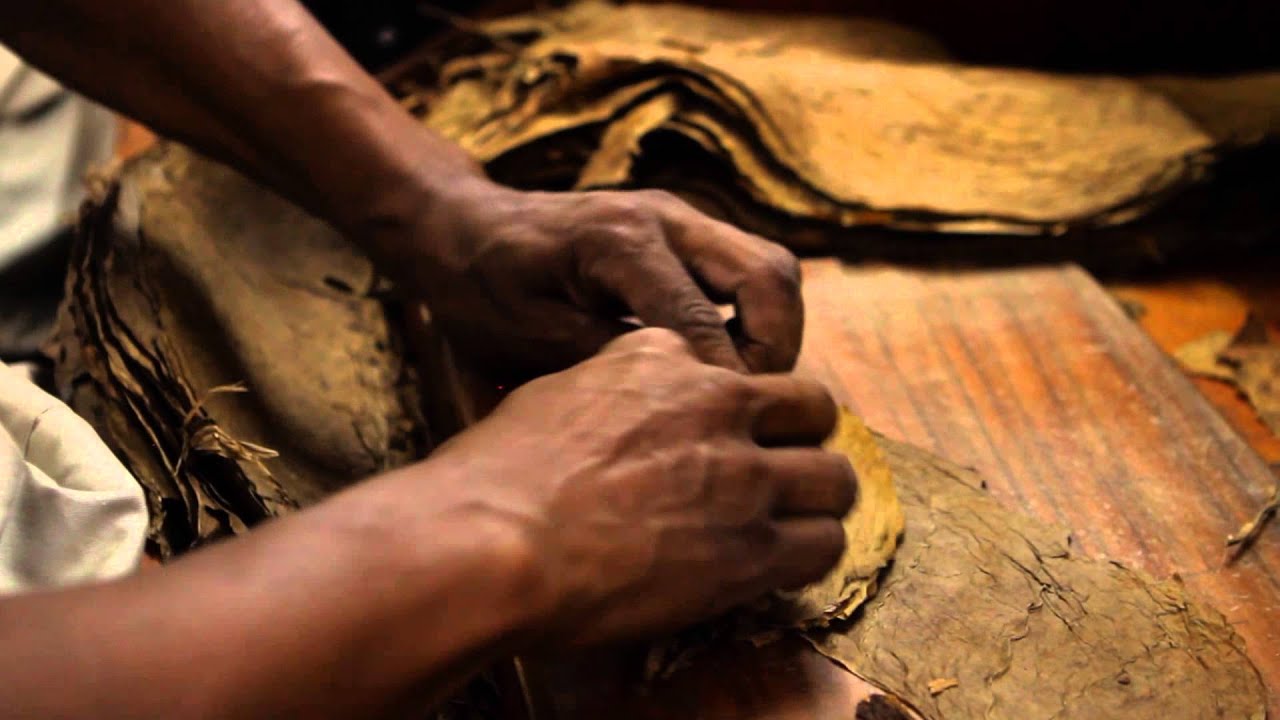
Source: Cigar AficionadoGrowers planted Cuban seed from the start, and Cuban agronomists helped set up modern farms such as Aganorsa's.
Source: Cigar AficionadoJoya de Nicaragua's own film about the people of Nicaragua's first premium cigar factory.
More films